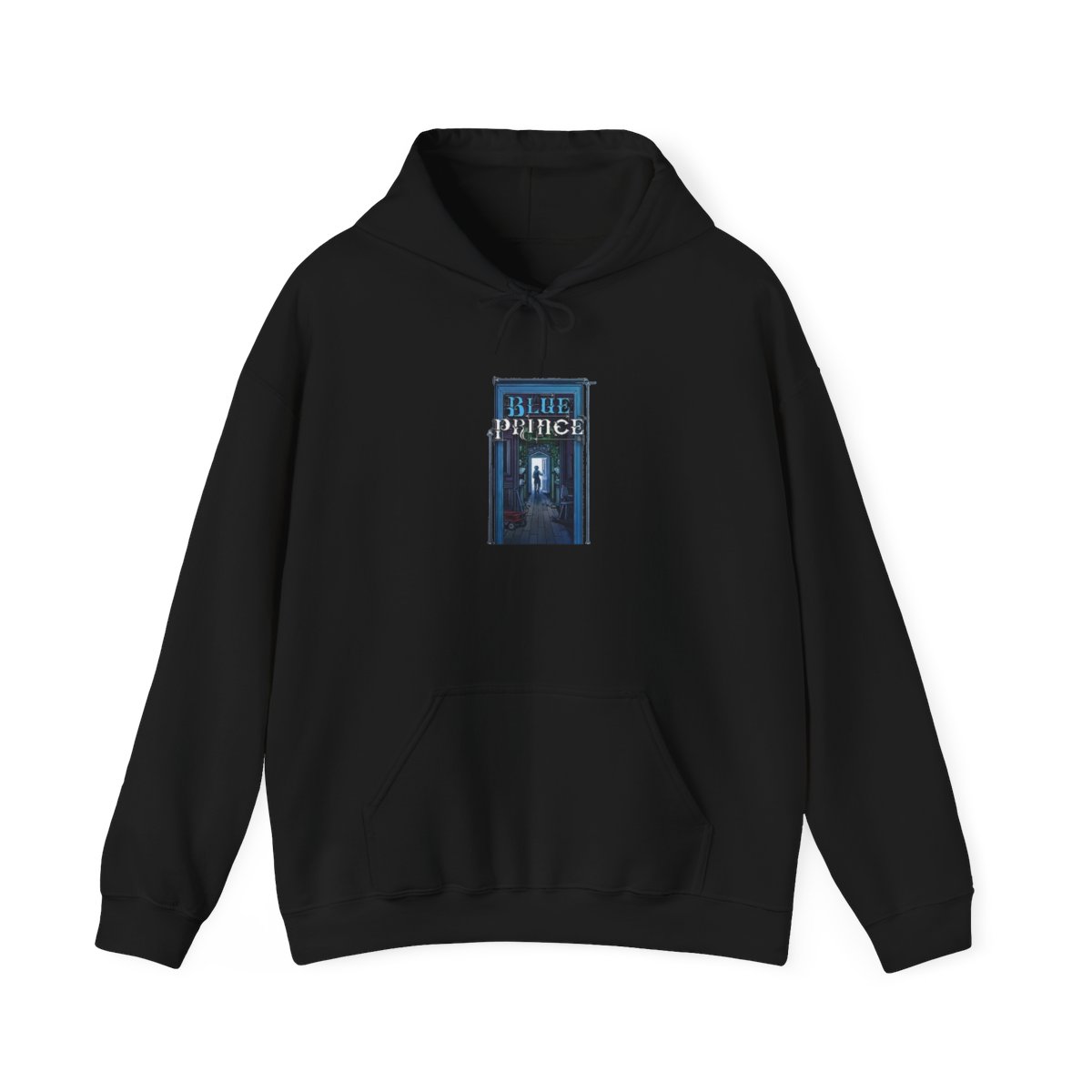
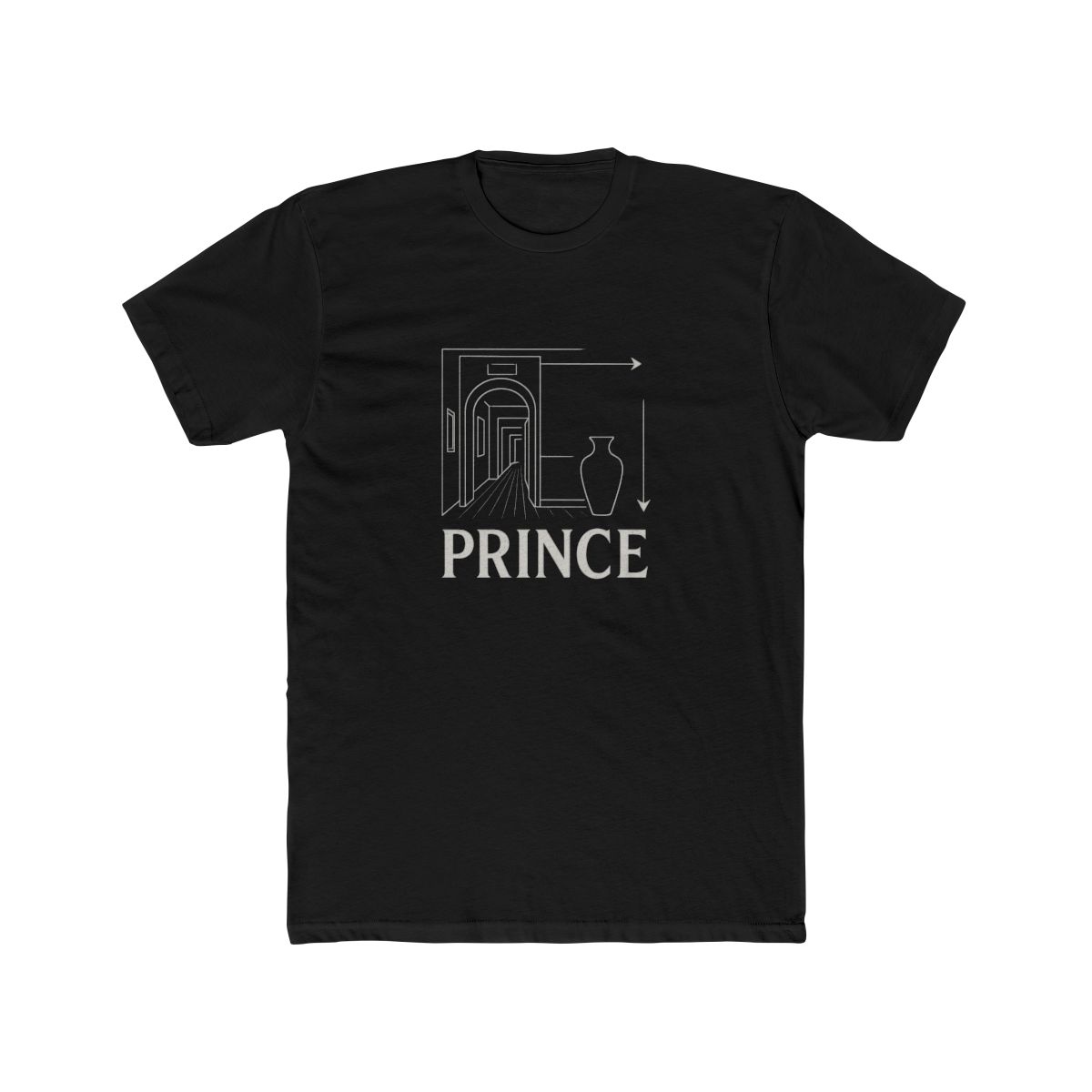
You open the package from the Blue Prince store, carefully pulling out the limited edition enamel pin. The gold finish catches the light, but you spot a tiny spec under the enamel. Is that a manufacturing flaw or a speck of dust? Knowing how to grade your Blue Prince merch is essential whether you are a longtime collector or just starting. This guide walks you through the process using the blue prince merch grading guide so you can assess condition, track value, and make smart trading decisions.
← Back to Blog
Blue Prince Collectible Grading: A Complete Guide
Learn how to grade your Blue Prince merchandise like a pro. This guide covers scales, tools, and professional services for pins, hoodies, and more.
Why Grade Your Blue Prince Merch
Grading is not just for comic books or sports cards. Blue Prince collectibles, from enamel pins to hoodies, have their own market. A graded item holds documented proof of condition, which can increase its resale value and protect it in trades. Without grading, you might overpay for a damaged item or unknowingly sell a near-mint piece at a discount.
For example, a Blue Prince "Moonlit Manor" enamel pin in mint condition might trade for $45, while one with noticeable scratches goes for $20. Grading gives you a common language to discuss condition with other fans. It also helps you store and handle items more carefully once you understand what affects their grade.
Understanding Grading Scales for Different Items
Universal Grading Principles
Most grading systems use a 10-point scale, with 10 being flawless and 1 being heavily damaged. For Blue Prince merch, we adapt this scale to fit different materials. A 10 means no visible flaws under normal lighting, perfect packaging, and all original accessories collection. A 9 has tiny, barely noticeable defects like a minor posters & wall art collection misalignment. An 8 shows slight wear like a faint crease on a apparel collection. Below 6, the item has significant damage.
Differences by Product Type
Hard goods like enamel pins and keychains grade differently than soft goods like apparel. Pins focus on enamel surface, metal plating, and clasp condition. Apparel grading considers fabric pilling, print fading, and stitching. Storage and display also factor in - a pin sitting in sunlight will fade faster than one in a drawer. Always note the specific vulnerabilities of each item.
The Blue Prince Grading Reference
Our store uses a simplified three-tier reference: Mint (9-10), Excellent (7-8), and Good (6 and below). Mint items are essentially new, with no wear. Excellent shows minor handling marks. Good items have visible wear but are still displayable. This tier system helps new collectors start grading without needing a loupe.
How to Grade Enamel Pins and Small Collectibles
Step 1: Inspect Under Good Lighting
Use a 60-watt daylight lamp and a clean white surface. Tilt the pin at different angles to catch reflections. Look for chips, bubbles, or scratches in the enamel. Common defects include "hard soft enamel" where the surface is uneven, or thin plating that shows bronze undertones.
Pro tip: Avoid sunlight - it can mask subtle flaws. Use a 10x jeweler's loupe for detail.
Step 2: Check the Metal Plating and Clasp
Examine the edges for peeling or discoloration. The clasp should be intact and close firmly. A pin with a bent clasp or scratched back can still grade high if the front is perfect, but note it separately. For keychains, test the ring and any moving parts.
Step 3: Evaluate Packaging
Original backing cards and plastic sleeves count toward the grade. A pin with a torn card still grades well as a collectible, but if you want the full package, keep the card flat and free of creases. Our premium pins come in a soft pouch - a dented pouch can lower the overall grade by 1 point.
Step 4: Assign a Numeric Grade
Start at 10 and deduct for each flaw: -1 for a single tiny scratch under 2mm, -2 for two or more scratches, -3 for a visible chip or plating loss. Use a grading sheet to stay consistent. For example, a Blue Prince "Raven Crest" pin with a 1mm scratch on the back gets a 9, but if the front has a small bubble, it drops to 7.
Grading Apparel: Hoodies, T-Shirts, and Hats
Step 1: Lay Flat on a Clean Surface
Never grade apparel while hanging - folds and gravity can hide flaws. Smooth the fabric and check for wrinkles, stains, or pilling. For hoodies, examine the hood and drawstrings separately. Print quality is key: look for cracks, fading, or misregistration (colors not aligning).
Step 2: Measure Dimensions
Shrinkage is common with cotton blends. Compare the current measurements to the original size chart. A t-blue prince merch store shirt-hometown-pride-gear-mount-holly-blue-prince-logo-t-shirt-hometown-pride-gear) that shrank 1 inch in length might still be Excellent, but more than 2 inches downgrades to Good. Our 2026 hoodies use pre-shrunk fabric, but older runs may vary.
Step 3: Inspect Seams and Stitching
Turn the garment inside out. Loose threads, skipped stitches, or seam puckering indicate lower quality that affects grade. A blue prince merch store hoodie with a small stitching error near the hem might be a 7, while one with no flaws could be a 9. hats & caps collection should have even brim shape and no stains on the sweatband.
Step 4: Consider Storage Odors
Musty smells from improper storage can't be removed easily and lower the grade by 1-2 points. Never spray perfume to mask odors - that adds residues. If you buy a used piece, ask about smoking and pet environments.
Essential Tools for Self-Grading
To grade accurately, you need the right gear. Start with a 10x magnification loupe (about $15 on Amazon) for checking pin surfaces and print edges. A soft microfiber cloth helps clean items without scratching. Use a flexible tape measure for apparel - standard rulers can bend incorrectly.
A grading journal or spreadsheet helps track your collection. Note the date, purchase price, assigned grade, and any defects. Digital photos under consistent lighting provide evidence for future trades. Some collectors use UV flashlights to detect touch-ups or repairs.
Our store offers a Collector's Care Kit that includes a loupe, microfiber cloth, and storage sleeves for pins. It bundles the basics for about $25, saving you time sourcing each item separately.
Where to Get Professional Grading Services
If you want an unbiased third-party opinion, professional grading services exist for collectibles. However, most focus on trading cards and comics. For Blue Prince fan merch, you have two options: specialized pop culture grading companies or community-run grading circles.
Option 1: Certified Pop Grading (CPG) - They grade enamel pins and small 3D items. Cost is $15 per pin plus shipping. They provide a sealed holder and numeric grade. Note that they require items to be Mint or Excellent - they will not grade damaged pieces. Turnaround time is 2-4 weeks.
Option 2: Community Grading Swaps - Some Facebook groups and Discord servers host grading events where experienced collectors assess each other's items for free or a small fee. This is great for learning but lacks the authority of a certified grade. Always check references before mailing your items.
Option 3: In-Store Events - Blue Prince occasionally hosts pop-ups where you can bring your collection for free appraisals. Follow the store's Instagram for announcements. These appraisals are not official grades but give you a solid estimate.
Common Mistakes to Avoid
- Over-penalizing for packaging flaws - The pin itself matters more than the card. A 9 pin with a bent card is still a 9, just note the card condition.
- Grading under dim light - Many scratches are invisible in low light. Always use a bright daylight lamp.
- Ignoring the back of the pin - The clasp condition affects durability. A loose clasp makes the pin a 6 or lower.
- Assuming all items are the same - Hard enamel and soft enamel have different defect signatures. Soft enamel is more prone to bubbles; hard enamel chips easier.
- Not documenting grades - You will forget details over time. Write down grades immediately.
Pro Tips from the Community
Tip 1: Use a grading template - Create a checklist of common defects for each item type. For pins: enamel bubbles, scratches, plating wear, clasp tension, card creases. For apparel: print cracks, fade, shrinkage, seam quality. This speeds up grading and ensures consistency.
Tip 2: Grade within 24 hours of receipt - Merch can arrive with hidden flaws you won't notice later. Fresh eyes catch more. Also, take unboxing videos for proof when buying from other collectors.
Tip 3: Know your material science - Blue Prince hoodies use a 50/50 cotton-polyester blend. Polyester holds dye better but can pill if washed wrong. Understanding how fabric ages helps you predict future wear and grade accordingly.
Tip 4: Join the Blue Prince Grading Guild (Discord) - A community of over 5,000 members shares grading standards and runs monthly trade events. They have a pinned thread with the latest grading scale updates and examples of every grade level with photos.
Recommended Gear & Products
Blue Prince Collector's Care Kit - Includes a 10x loupe, anti-static microfiber cloth, 10 soft pin sleeves, and a grading guide card. This kit covers the basics for under $30. The loupe has an LED light, perfect for spotting defects on enamel pins.
Standard Hard Plastic Pin Holders - Acid-free, UV-protective phone cases collection that display your graded pins proudly. Available in our store in packs of 5. Each holder fits pins up to 2 inches and has a label slot for grade numbers.
Apparel Storage bags & totes collection - Re-sealable, breathable cotton bags for hoodies and t-shirts. These prevent dust and light damage while allowing air circulation. A set of 3 costs $12 and comes with a labeling system.
All these products are designed to preserve your Blue Prince collection at its current grade. Using them consistently can maintain a Mint item's condition for years.
Frequently Asked Questions
What is the difference between hard enamel and soft enamel pins?
Hard enamel pins have a smooth, glass-like surface with recessed areas filled and polished flush. Soft enamel pins have raised metal ridges between colored areas and a slight texture. Hard enamel is more durable but can chip; soft enamel may have bubbles but is easier to produce with complex designs.How do I remove a scratch from an enamel pin?
You cannot remove scratches from enamel. The best you can do is prevent further damage. For very light surface scratches, a tiny amount of automotive polish (like Novus #1) applied with a microfiber cloth may reduce visibility, but this can void any warranty and lower the grade further. Better to accept the wear.Can I wash a hoodie and still have it graded high?
Yes, but use cold water, gentle cycle, and air dry. Machine drying can shrink the fabric and damage prints. One proper wash rarely affects grade if the garment is still in like-new condition. But repeated washing will lower the grade over time. For best preservation, wash inside out and avoid fabric softeners.What tools do I need to start grading?
At minimum: a 10x magnification loupe, a daylight lamp, and a clean white surface. For apparel, a flexible tape measure and a notepad or spreadsheet. The Blue Prince Collector's Care Kit bundles these essentials. Avoid using bare fingers on pins - oil from skin can attract dust.How do professional grading companies handle Blue Prince merch?
Most general collectible graders accept pins and small items, but they often prioritize cards and comics. Specialized pop culture graders like Certified Pop Grading (CPG) are better suited. They assign a numeric grade and encapsulate the item. Shipping costs can add $10-$20, so only submit high-value pieces.Key Takeaways
- Grading your Blue Prince merch helps preserve value and enables fair trades.
- Use a 10-point scale adapted for each product type: pins, apparel, and small items.
- Invest in basic tools: a loupe, daylight lamp, and storage supplies.
- Professional grading is available but best for items over $50; community grading is a free alternative.
- Document your grades immediately and store items properly to maintain condition.
Related Posts
General
Blue Prince Hoodie vs Crewneck: Which Is Better for You?
We compare the Blue Prince Hoodie and Crewneck sweatshirt across fit, warmth, price, and design so y...
GeneralBlue Prince Merch Sizing Guide: Find Your Perfect Fit
Find your perfect fit in the Blue Prince apparel line with this 2026 sizing guide. Detailed charts a...
GeneralBlue Prince Starter Merch: What Every New Fan Should Buy First
New to Blue Prince merch? Find out which items to buy first, from the must-have Classic T-Shirt to s...
Shop Blue Prince Merch
Official merchandise — premium quality, designed for the community.