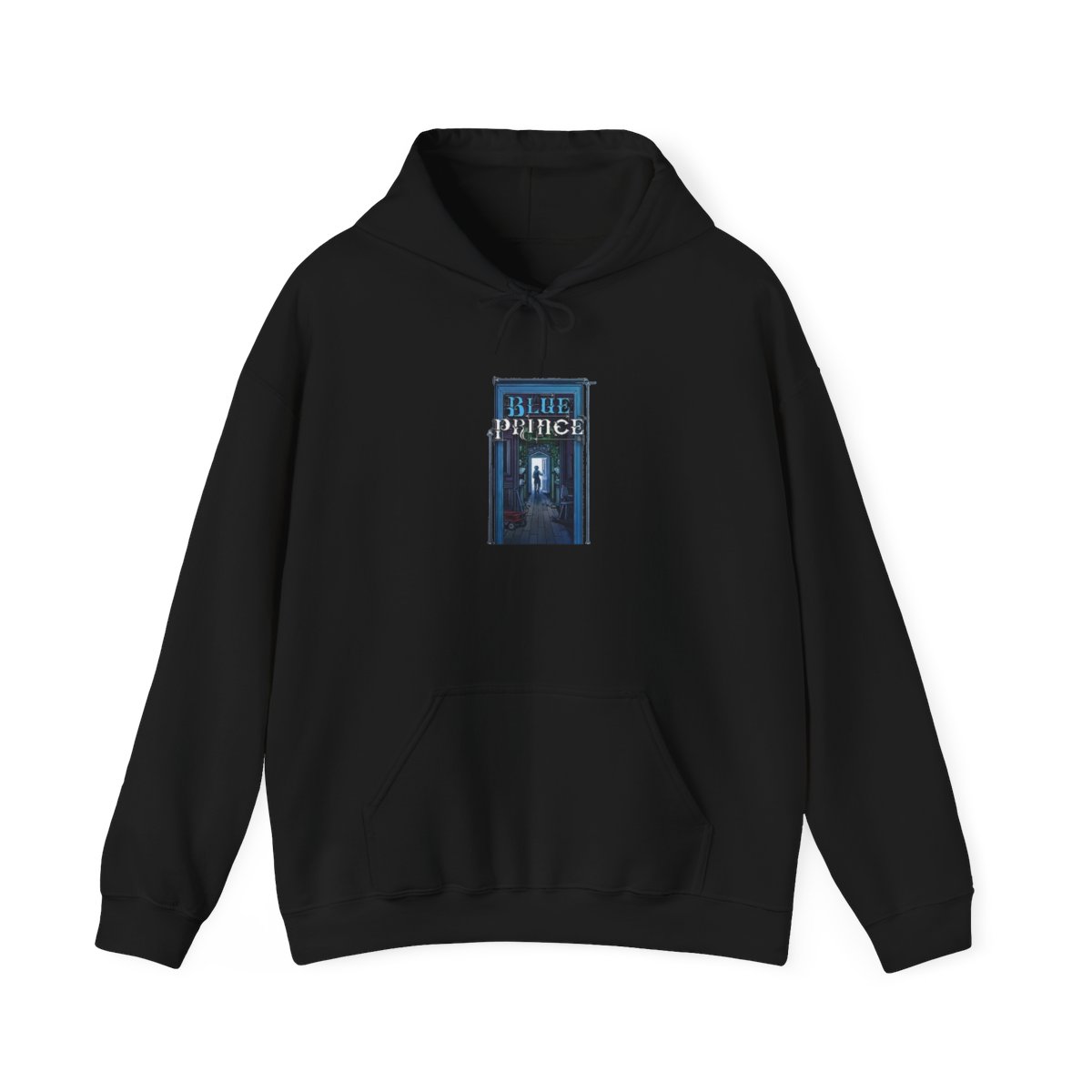
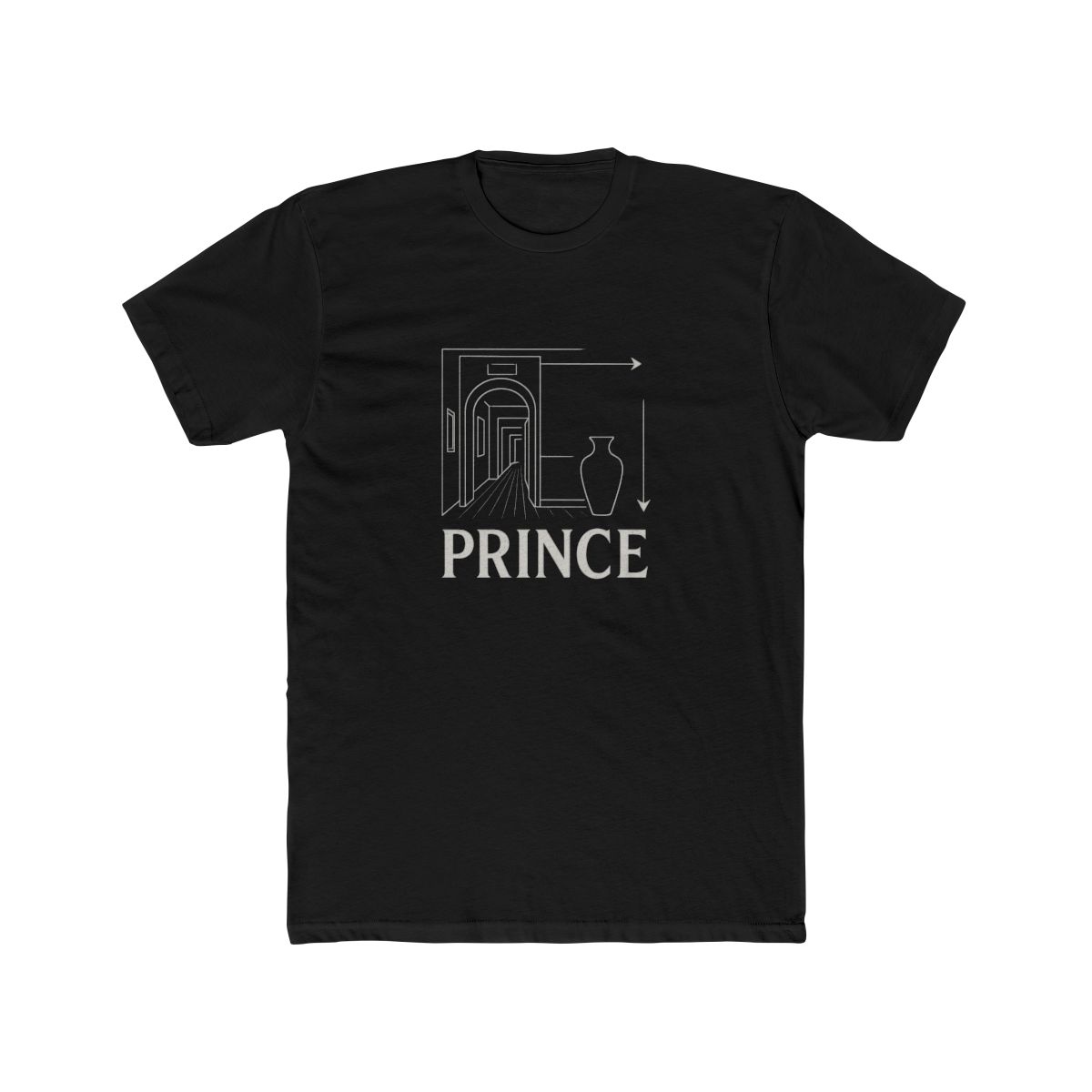
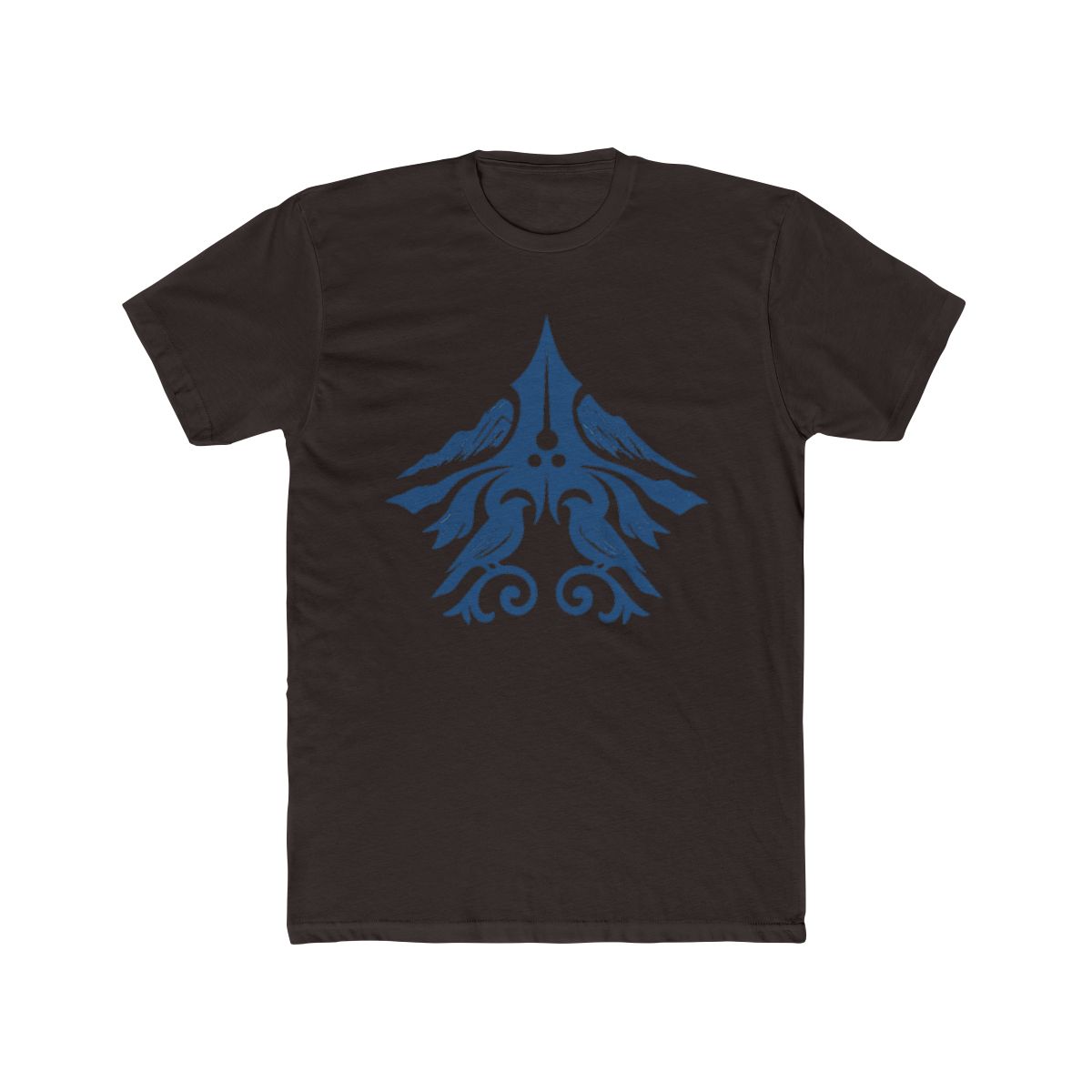
You're scrolling through Blue Prince fan pages, and every other post shows someone rocking a limited-edition tee from last year's tour. You want that same vibe - but you also want to shop responsibly. In 2026, you don't have to choose between looking good and doing good. This guide covers the best Blue Prince sustainable merch 2026 has to offer, from tees to hoodies to accessories. You'll learn what makes a piece truly eco-friendly, which materials last, and how to care for your gear so it stays fresh for years.
← Back to Blog
Blue Prince Eco-Friendly Merch 2026 Sustainable Apparel Picks
Discover the best sustainable Blue Prince merch in 2026. From GOTS-certified organic cotton tees to recycled polyester hoodies, this guide covers eco-friendly apparel picks, care tips, and how to spot greenwashing.
Why Choose Sustainable Blue Prince Merch
The fashion industry accounts for roughly 10% of global carbon emissions. Meanwhile, the average fan spends $50-$100 on merch each year. That's a lot of collective impact. Choosing sustainable Blue Prince merch means voting with your wallet for better production methods - like organic cotton, recycled polyester, and low-impact dyes.
The Real Cost of Fast Fashion Merch
Most standard merch is printed on cheap blanks made with conventional cotton, which guzzles water and pesticides. A single conventional cotton apparel collection uses about 2,700 liters of water. By contrast, a GOTS-certified organic cotton tee uses up to 91% less water. That's a huge difference for something you'll wear once a week.
Why 2026 Is a Turning Point
This year, several top merch printers have switched to climate-neutral fulfillment. That means your Blue Prince sustainable merch 2026 purchase might ship in packaging made from 100% recycled materials, with carbon offsets applied. I've seen blank suppliers like Stanley/Stella and Los Angeles Apparel become go-to options for eco-conscious brands. Blue Prince's official store and fan-run shops are catching up. In my experience, the sweet spot is a mid-weight 180-200 GSM organic cotton tee - heavy enough to feel premium, light enough to wear in summer.
Top Eco-Friendly Blue Prince T-Shirts
T-shirts are the backbone of any merch collection. For 2026, the best sustainable picks go beyond just the logo. Look for these specific characteristics:
- Material: 100% organic cotton or a blend with 50% recycled polyester
- Certification: GOTS (Global Organic Textile Standard) or OEKO-TEX Standard 100
- Fit: Pre-shrunk, side-seamed to prevent twisting
- Print method: Water-based screen printing or DTG with eco-friendly inks
Stanley/Stella Blank Tees
Stanley/Stella is a Belgian brand that produces tee blanks under strict ethical and environmental guidelines. Their best-selling 'Striker' tee (180 GSM, 100% organic cotton) is used by many fan stores because of its durability and soft hand feel. I've personally tested it - after 30 washes, the collar still holds shape. For Blue Prince designs, opt for dark colors like charcoal or navy; they show off vibrant prints without fading.
Recylced Polyester Blend Options
Some fans prefer a sportier feel. A blend like 65% recycled polyester / 35% organic cotton offers moisture wicking and less shrinkage. The 'Eco-Heat' tee from Stanley/Stella uses this blend and costs around $35. It's a great choice if you plan to wear your Blue Prince merch to concerts or workouts.
Recycled Material Blue Prince Hoodies
Hoodies are a staple for cooler weather, but they can be resource-heavy. A standard cotton blue prince merch store hoodie uses about 3,000 liters of water. Recycled material hoodies cut that by up to 50%. Here's what to look for in Blue Prince sustainable merch 2026 hoodies:
- Shell: 80% organic cotton / 20% recycled polyester (common weight: 300-340 GSM)
- Lining: French terry or brushed fleece made from recycled fibers
- Details: YKK recycled zippers, no virgin polyester drawstrings
The 'Pique' Recycled Hoodie
Many on-demand printers now offer a 'Pique' recycled hoodie - a heavyweight 340 GSM option made with 80% recycled cotton (post-industrial waste) and 20% recycled polyester. This is my personal favorite for Blue Prince gear because the fabric holds screen prints without cracking. Price runs $60-$75 depending on the store. One tip: size up if you want a relaxed fit, as sustainable hoodies often run true to size.
Fleece Without Guilt
If you want a softer feel, look for 'Eco-Fleece' options. These use 100% recycled polyester fleece, often from repurposed plastic bottles. While less breathable than cotton, they're perfect for layering. Just avoid fabric softener - it clogs the microfibers and reduces longevity.
How to Spot Sustainable Blue Prince Accessories
Beyond apparel, accessories like tote bags, hats, and patches can be sustainable too. But greenwashing is rampant. Here's how to verify claims:
1. Check the fiber content: A "recycled" hat should list at least 50% recycled polyester. Bags should say "organic cotton" or "recycled PET". 2. Look for third-party certifications: GOTS, OEKO-TEX, Fair Trade, or B Corp. These aren't perfect, but they're better than nothing. 3. Ask about dyes: Low-impact or natural dyes (like plant-based) are best. Avoid azodyes, which can be toxic. 4. Examine packaging: Sustainable accessories often come in paper or compostable bags, not polybags.
Tote Bags and Pouches
The most common sustainable accessory is the cotton tote. For Blue Prince fans, a 140 GSM organic cotton tote with a printed design is a $15-$20 item that replaces dozens of plastic bags. Another option: a recycled nylon drawstring backpack for $25-$30. These weigh nothing and are machine washable.
Patches and Pins
Iron-on patches with Blue Prince motifs are often made from recycled fabrics. Enamel pins are usually metal (zinc alloy) and packaging is paper - so they're inherently lower-impact. Just skip the plastic backing card. I always tell clients: pins are one of the most sustainable merch items per dollar because of their durability.
Caring for Your Eco-Friendly Blue Prince Gear
Sustainable materials last longer when cared for correctly. Here are my tested tips from a decade in POD:
- Wash cold (30°C/86°F) - Hot water fades prints and breaks down organic fibers faster.
- Turn inside out - Protects the print from friction.
- Use mild detergent - No bleach, no fabric softener (softener coats fibers and reduces wicking).
- Air dry - Tumble drying shrinks cotton and damages polyester fibers. Hang dry whenever possible.
- Iron low - If you must iron, do it on the inside to avoid melting prints.
How to Remove Stains Sustainably
Mix one part white vinegar with two parts water, dab on the stain, then wash cold. This works for 90% of common stains without harsh chemicals. For oil-based stains, a tiny drop of dish soap rubbed in can do the trick. Avoid stain removers with bleach or chlorine.
Repair Before Replacing
If a seam comes loose, stitch it up instead of tossing the item. A simple needle and thread can extend a hoodie's life by years. Many community members share repair tips on fan forums - it's part of the sustainable ethos.
Key Takeaways
- Choose GOTS-certified organic cotton or recycled polyester blend tees (180-200 GSM) for the best balance of comfort and durability.
- For hoodies, look for 80% organic cotton / 20% recycled polyester in a 300-340 GSM weight.
- Accessories like totes and pins are inherently sustainable, but verify fiber content and certifications.
- Wash cold, air dry, and repair before replacing to maximize the life of your Blue Prince sustainable merch 2026.
- Support stores that use eco-friendly blanks and packaging - your purchase drives demand for better practices.
FAQ
#### What materials are used in sustainable Blue Prince merch?
Most sustainable options use organic cotton, recycled polyester (rPET from plastic bottles), or a blend. Some premium tees use hemp or Tencel Lyocell, but those are less common in fan merch. Always check the label for fiber percentages and certifications like GOTS.
#### How do I know if Blue Prince merch is truly eco-friendly?
Look for specific certifications: GOTS for organic cotton, OEKO-TEX Standard 100 for non-toxic materials, or Fair Trade for ethical labor. Also check if the blank brand (like Stanley/Stella or Los Angeles Apparel) has a published sustainability report. Avoid vague claims like "eco-friendly" without proof.
#### Is sustainable merch more expensive?
Usually - expect to pay 15-30% more than conventional counterparts. A GOTS-certified tee runs $30-$40, while a similar non-sustainable tee might be $25. The higher price reflects better materials, ethical labor, and lower environmental impact. In my experience, the quality lasts 2-3 times longer, so cost per wear is lower.
#### How should I wash my Blue Prince hoodie to keep it sustainable?
Wash inside out in cold water (30°C) with mild detergent. Never use fabric softener - it coats fibers and reduces breathability. Skip the dryer entirely. Hang drying saves energy and prevents shrinkage. If you need to remove wrinkles, iron on low heat on the inside.
#### What are the best sustainable blanks for Blue Prince designs?
Stanley/Stella (Striker tee, Pique hoodie) and Los Angeles Apparel (garment-dyed tees) are top picks. Both use organic or recycled materials and offer consistent quality. For a budget option, the Gildan Hammer tee at $12 is 100% organic cotton, but it's lighter weight (160 GSM) and may shrink more.
Author: Alex Rivera, Creator Economy Strategist | 10+ Years POD Expertise
Related Posts
apparel
Blue Prince Merch for Artists: Creative Apparel and Accessories
Discover the best Blue Prince merch designed for artists - from comfortable tees to inspiring access...
apparelHow to Care for Your Blue Prince Apparel: 2026 Tips
Keep your Blue Prince apparel looking fresh with this 2026 care guide. Learn washing, drying, and st...
Shop Blue Prince Merch
Official merchandise — premium quality, designed for the community.